Analog vs IP Cameras
Analog vs. IP Cameras: Choosing the Right Security System
When it comes to security cameras, the right decision should be made to protect your property. With different technologies available, the decision often comes down to two main types: analog and Internet Protocol (IP) cameras. Although both fulfill the same basic need, namely, recording, they are based on entirely different principles, and their range of capabilities is different. This is because the knowledge of these differences is the initial step to creating a powerful and dependable security system that is unique to your needs.
The following guide is going to take you through the details of the analog and IP cameras.
What Are Analog Cameras?
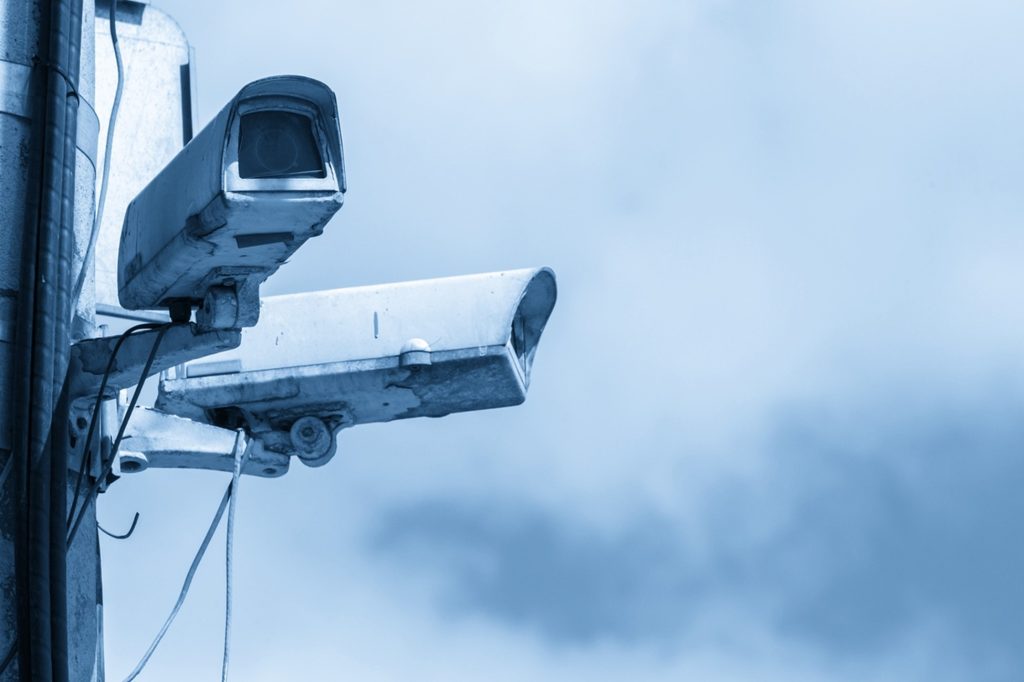
The traditional type of CCTV (Closed Circuit Television) is the analog cameras. They have been the surveillance standard over the decades. They are cameras that record videos and send the signal as an analog signal to a Digital Video Recorder (DVR). A DVR converts the analog signal into a digital one, compresses it, and stores it in a hard drive.
The whole system is interconnected with the help of coaxial cables that are going to run from every camera to the DVR. This forms a closed loop, i.e., the video feed is usually only available on the site with a monitor connected to the DVR. This is not a newer technology, but its simplicity and low initial cost have made it a possible option over the years.
The Limitations of Analog Systems
Despite their long history, analog cameras come with several significant limitations when compared to modern alternatives. With the advancement in technology, these disadvantages are even more intense.
- Poor Image Quality: Image quality is one of the main problems. In standard analog cameras, lower resolutions are usually provided, usually reaching a maximum of resolution (720×480 pixels). While newer “HD-over-coax” technologies have improved this, they still generally lag behind the high-definition clarity offered by IP systems.
- Limited Scalability: Expanding an analog camera system isn’t always easy. Every new camera needs its own coaxial cable running all the way back to the DVR, and most DVRs only offer a fixed number of ports, usually in groups of four. Once those ports are full, the only way to add more cameras is to replace the entire unit with a larger one.
- Fewer Advanced Features: Analog systems are essentially simple. They do not include the internal processing capacity to support high-end applications such as video analytics, intelligent motion sensors, or direct remote access without complicated network configuration.
Understanding IP Cameras
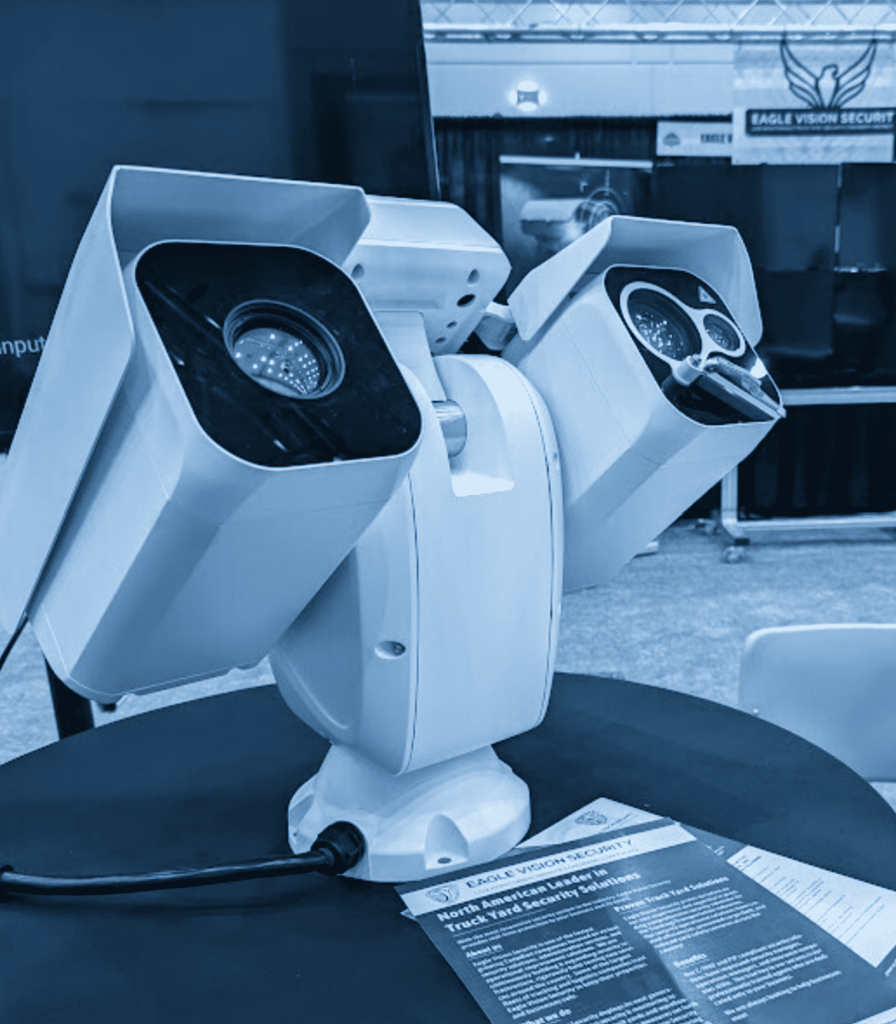
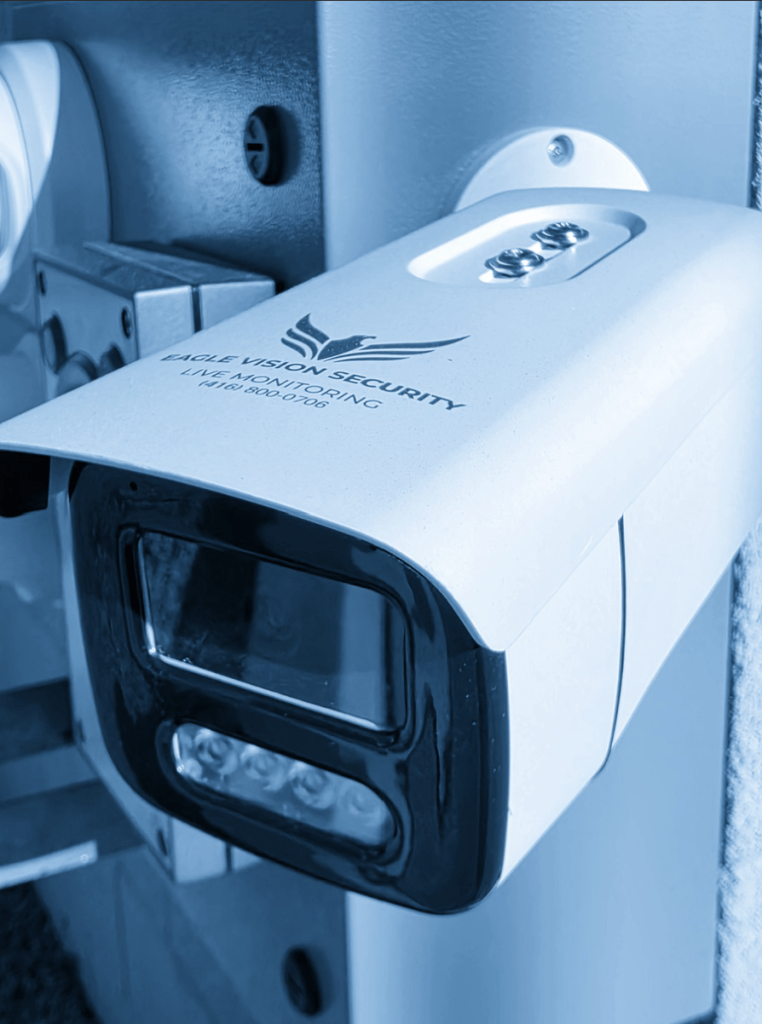
IP cameras are the future of surveillance technology and the standard used by Eagle Vision Security. They are digital cameras, unlike analog cameras, and capture high-resolution video and do so by transmitting it over a computer network.
IP cameras are able to provide some flexibility and intelligence due to the fact that they operate on a network, which analog systems simply cannot provide.
Advanced Video Analytics and Smart Features
This is where IP cameras truly shine. They can do much more than just record video. Modern IP cameras can transmit video to video servers where advanced video analytics can be ran using high-end processors, graphics technology, and more. These also include features such as:
- Smart Motion Detection: The camera can compare non-dangerous motions (trees in the wind, etc) and dangerous events (a person or a vehicle entering a specified zone, etc), which leads to a decreased number of false alarms.
- Facial Recognition: Advanced systems have the ability to recognize and index faces, alerting you to the existence of authorized or unauthorized individuals.
- Intrusion Detection: Servers allow for the setup of virtual fence lines that provides proactive security and alerts.
- OCR Technology: Allows for automatic logging and transfer of text from a video/picture into text format
- Object Removal Detection: The backend linkage also alerts live agents when someone transfers or moves a valuable object in the camera.
- Thermal Optics: Cameras equipped with heat seeking lens that allows them to see through snow, fog, mist, and challenging visibility environments.
Why Eagle Vision Security Stands Out
Picking the right technology is just step one. Partnering with the right team matters just as much. At Eagle Vision Security, they specialize in designing and installing advanced IP camera systems tailored to your needs.
We don’t just install cameras; we build smart security. Unlike outdated analog systems, their IP solutions deliver:
- Sharper images for positive identification
- Proactive alerts that matter (not just random motion)
- Seamless remote monitoring from our monitoring centers
- Future-proof flexibility ready to grow with your business and needs
Conclusion
The choice is clear. While analog cameras might seem cheaper initially, they’re outdated for most needs. Grainy footage, limited features, and scaling headaches make them a poor long-term investment.
IP cameras are the superior solution. They offer unmatched clarity, intelligent alerts, and easy remote access. To companies who are serious about security, IP systems not only record what occurs, but they also build a smarter, proactive fence line protection around the things that matter the most when teamed with Eagle Vision Security.
If you want to upgrade your security or want professional advice on the best security system, Contact Eagle Vision Security. Our staff would strive to provide personalised, high-quality solutions, which would provide you with a sense of confidence and calm.